


Written by Dr. Andrew Akhaphong, DCN, MS, RD, LD, Mackenthun’s Fine Foods Registered Dietitian
Updated: March 4, 2026
A 2019 study found that consumers who purchase frozen fruits and vegetables are more likely to meet the recommended daily intake of fruits and vegetables, which is 2 cups of fruit and 3 cups of vegetables per day. A 2026 survey of 421 participants found that 38% valued the long shelf life of frozen produce, 36% appreciated its ease of preparation, and 34% cited its convenience as a key benefit.
This National Frozen Foods Month, explore the benefits of frozen produce and consider adding a bag or two to your shopping cart today.
Wholesome, Preserved Nutrients
What if I tell you frozen produce is equally as nutritious as their fresh counterparts?
A 2016 research study, “Selected nutrient analyses of fresh, fresh-stored, and frozen fruits and vegetables” compared fresh and private-label frozen produce from seven grocery chains in Georgia to see whether fresh or frozen produce ranked on the top. The scientists looked at broccoli, cauliflower, corn, green beans, green peas, spinach, blueberries, and strawberries; the nutrients investigated were Vitamin C, Vitamin A, and Vitamin B9 (folic acid). Over the course of this two year study, the scientists found that these nutrients are higher in frozen produce but the difference is less than 5%.
According to Pacific Coast Producers, a produce packing facility, most of the produce is harvested at their peak of ripeness and are processed to be frozen (or canned) within 4-hours of harvesting.
Great Value Year Round
A 2025 SmartSense study found that 57% of Gen Z consumers switched to frozen produce to save money. When budgets are tight, frozen fruits and vegetables provide a reliable option, especially when fresh options are out of season. They have a longer shelf life and are ready to use with little to no preparation—an important benefit considering that most Americans spend an average of three hours a day in the kitchen preparing meals and snacks. If frozen produce could save you 15 to 30 minutes each day, imagine what you could do with that extra time. Additionally, frozen produce helps reduce waste, since you’re paying only for the edible portions rather than inedible seeds, stems, and leaves.
Don't Use Just Once, but Twice and Many More
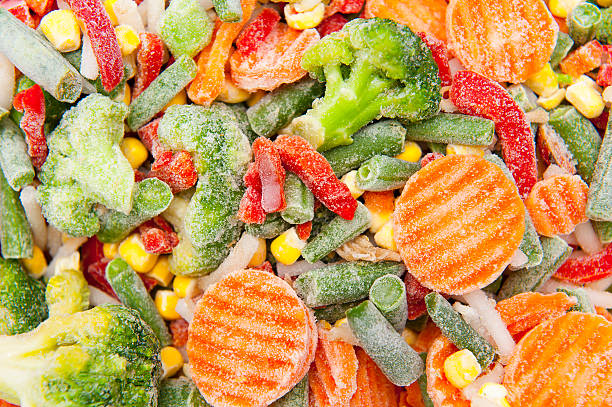
To get the most value from your purchase, consider how frozen produce can be used in multiple recipes. For example, frozen blueberries can be added to muffins, blended into smoothies, or mixed into cereal and yogurt parfaits. Frozen vegetable blends are just as versatile—use them in stir-fries, stir them into soups, or incorporate them into your favorite hot dishes.
For more ideas using frozen produce, visit this link for wonderful recipes from Birds Eye®.