

Written by Dr. Andrew Akhaphong, DCN, MS, RD, LD, Mackenthun’s Fine Foods Registered Dietitian
Updated July 8, 2026
According to anthropologists—scientists who study human behavior, cultures, societies, biology, and languages across history—grilling is one of humanity’s oldest cooking methods. After early humans learned to control fire, they likely began cooking meat over open flames, making it easier to digest while unlocking more nutrients.
Evidence of this ancient practice stretches back thousands of years. Archaeologists have uncovered grill-like cooking equipment dating to around 2300 BC in ancient Greece. Centuries later, during the 1500s, Spanish explorers encountered the indigenous Caribbean and South American tradition of barbacoa, a method of cooking meat on wooden frames suspended over a fire. As this technique spread throughout North America, the term gradually evolved into the word barbecue. By the 1950s, backyard cookouts had become an American tradition, fueled by the introduction of the iconic Weber kettle grill, which made outdoor grilling more accessible than ever.
America's Love for Barbecue
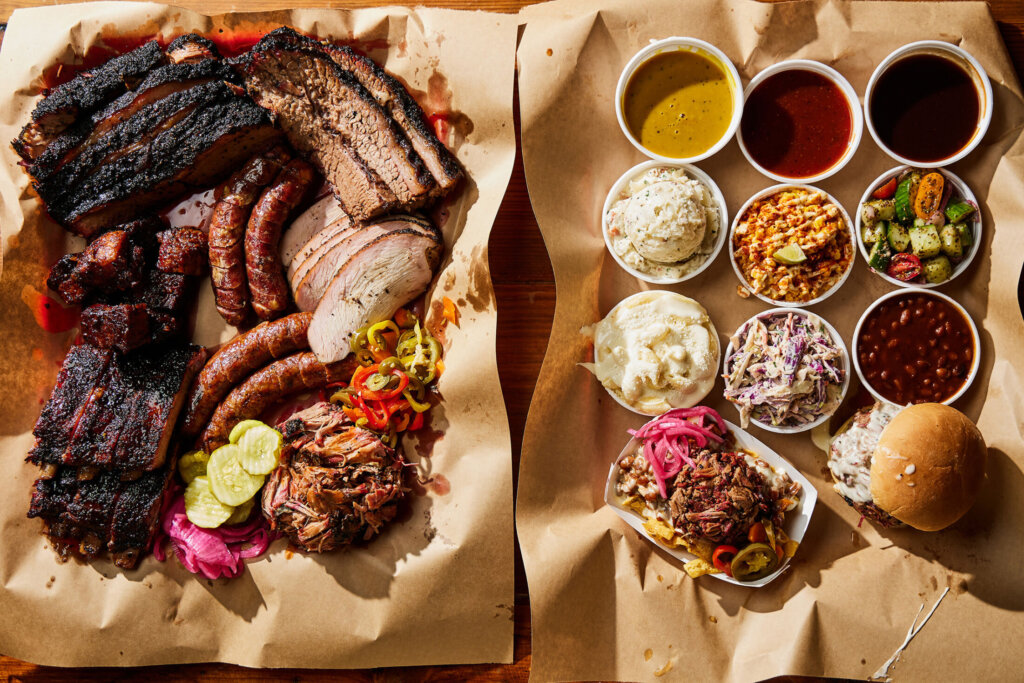
The United States is widely recognized as the world’s barbecue capital, leading in both per-capita barbecue consumption and the cultural significance of outdoor grilling. Across the country, distinct regional barbecue traditions have developed, each with its own unique flavors and techniques.
- Kansas City barbecue is famous for a wide variety of smoked meats served with thick, sweet, and tangy sauces. It is also credited with popularizing the beloved burnt ends.
- North Carolina barbecue is best known for its vinegar-based sauces and whole-hog pit cooking, with pork taking center stage.
- Memphis barbecue specializes in slow-smoked pork, particularly ribs and pulled pork, often seasoned with flavorful dry rubs instead of heavy sauces.
- Texas barbecue emphasizes smoked beef, especially brisket, seasoned simply with salt and pepper to let the meat’s natural flavor shine, with sauce typically served on the side rather than smothering the meat.
Are You Team Gas or Team Charcoal?
Many Americans prefer gas grills for their convenience, fast preheating, and precise temperature control, making them as easy to use as an indoor stovetop. Gas grills are ideal for quick weeknight meals and cooks who value consistency.
Charcoal enthusiasts, however, swear by the rich, smoky flavor that only burning charcoal can produce. Charcoal grills also generate higher heat, creating a deeper, more flavorful sear and the signature crust that many barbecue lovers consider unmatched.
Health Considerations of Grilling
- Marinate meat for at least 30-minutes; the antioxidants in herbs and citrus slow down the formation of HCAs and PAHs.
- Try using the reverse sear method to reduce the amount of time meat spends over high heat. Start by cooking the meat low and slow in the oven or a smoker until its internal temperature is about 10°F to 15°F below your target doneness. Then, transfer it to a hot grill to develop a flavorful, caramelized crust. For example, cook chicken in the oven until it reaches an internal temperature of 155°F, then finish it on the grill until the thickest part reaches the recommended 165°F.
- Flip meat frequently to prevent one side from overheating.
- Avoid prolonged exposure to direct flames.
- Create a barrier using a cedar plank, a grill mat, or aluminum foil.
Stop by your Mackenthun’s Fine Foods for a delicious selection of our homemade marinated meats, kabobs, and Crazy Fresh® grilling kits.
