

Written by Andrew Akhaphong, DCN, MS, RD, LD, Mackenthun’s Fine Foods Registered Dietitian
Updated August 19, 2026
Move over green juice—there’s a new shot making the rounds, and it comes straight from the pantry.
The olive oil shot trend is exactly what it sounds like: drinking a tablespoon or two of extra-virgin olive oil (EVOO) straight, often first thing in the morning or as part of a bedtime ritual.
It’s easy to see why the trend is gaining attention. The Mediterranean diet has long been studied for its health benefits, thanks in part to its emphasis on healthy fats, omega-3 fatty acids, and antioxidant-rich foods. These nutrients may support heart health, help reduce inflammation, and promote healthy brain function.
Let’s examine EVOO a bit further —
Small Amounts. Big Benefits
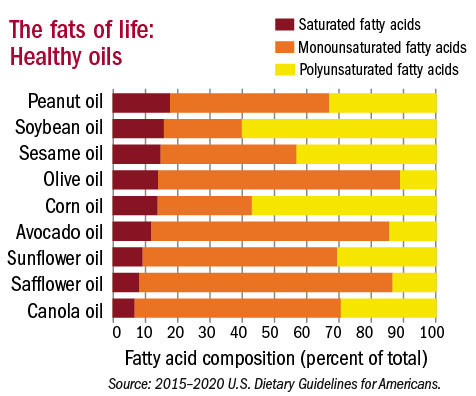
One tablespoon (14-grams) of EVOO is approximately 14-grams of fat and 120 calories. It may sound like a lot but most of the fat comes from the healthy anti-inflammatory and heart healthy monounsaturated (MONOs) and polyunsaturated fats (PUFAs) including omega-3s. Healthier cholesterol levels include dietary patterns high in MONOs and PUFAs.
A 2020 study examined 93,000 participants from 1990 to 2014. Over the course of the study, participants who consumed more than one tablespoon of EVOO per day had an 18% lower risk of coronary heart disease and a 14% lower risk of cardiovascular disease. Participants who replaced their regular margarine, butter, or mayonnaise with EVOO-based options saw an additional 5% to 7% reduction in cardiovascular disease and coronary heart disease respectively.
Struggling with constipation? A 2025 study of 140 participants with chronic constipation compared the effects of consuming two tablespoons of EVOO or refined olive oil daily for four weeks. Researchers found that participants who consumed EVOO experienced improvements in bowel movements compared with those in the refined olive oil group. These findings suggest that EVOO may offer a natural way to support digestive and bowel health.
Pour Decisions. Which Olive Oil to Choose?
The olive oil section is saturated. So many brands and different labels to choose from. How do you choose the best one for you?
According to the North America Olive Oil Association, there are two categories of olive oils: virgin and refined.
EXTRA-VIRGIN: The gold standard for flavor and quality. Extra-virgin olive oil is naturally extracted without heat or chemicals and has no sensory defects. It also has a free acidity level of 0.8% or lower. With a smoke point around 410°F, it’s a versatile choice for drizzling, dipping, dressings, marinades, sautéing, grilling, roasting, baking, and pan-frying.
VIRGIN: Good quality with plenty of flavor. Like EVOO, virgin olive oil is mechanically extracted without heat or chemicals, but it may have minor sensory imperfections. Its free acidity level falls between 0.8% and 2.0%. It can be used in many of the same ways as EVOO, including cooking, sautéing, roasting, and dressings.
REFINED: Lighter in flavor, higher in processing. Refined olive oil undergoes additional processing, including heat and chemical treatment, to remove unwanted odors, flavors, and other characteristics. This processing also reduces some naturally occurring antioxidants. With a smoke point around 470°F, refined olive oil is a good option for higher-heat cooking methods, such as stir-frying and deep-frying. It is often labeled as “light olive oil”, “pure olive oil”, or “light-tasting olive oil”. It is often blended with a small amount of virgin olive oil before bottling.
Taste Olive Oil Like a Wine Pro
Fresh olive oil, for example, can have grassy, fruity, or peppery flavors thanks to its naturally occurring phytonutrients—powerful plant compounds with antioxidant properties.
- Look: Pour the olive oil into a clear glass or small cup. Take a moment to observe its color and clarity.
- Swirl & sniff: Cover the top of the glass with your hand and gently swirl the oil for about 5 seconds. Remove your hand and take a quick sniff for about 3 seconds, paying attention to the aromas.
- Taste: Take a small sip and gently draw the olive oil through your front teeth. Once it reaches the back of your mouth, swirl it around while breathing in through your nose. Notice the flavors and sensations you pick up.
- Finish: Swallow the olive oil, then take another breath through your nose. See if you notice any new or lingering flavors in the finish.
Final Notes
If you’re considering trying an olive oil shot, extra-virgin or virgin olive oil may be the best choices if you want to retain more of the oil’s naturally occurring antioxidant compounds. You can also enjoy olive oil alongside a meal. Vitamins A, D, E, and K are fat-soluble nutrients, meaning the dietary fat in olive oil helps your body absorb them.
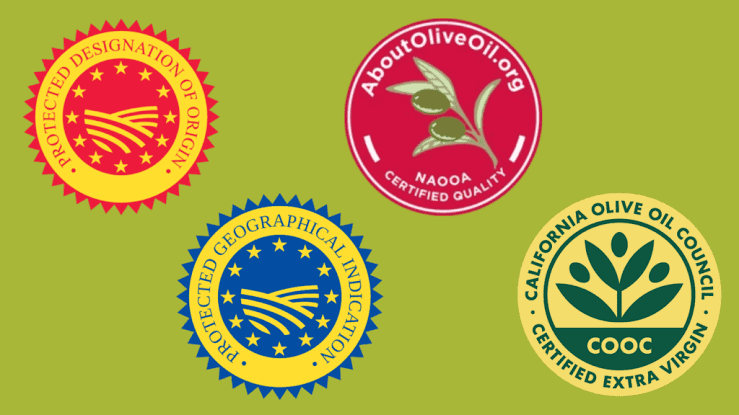
For additional quality control, look for any of these seals on olive oil labels.


Tagged constipation, dietitian, gut, gut health, health, heart health, Mediterranean, nutrition, nutritionist, olive oil, sho, wellness