

Written by Dr. Andrew Akhaphong, DCN, MS, RD, LD, Mackenthun’s Fine Foods Registered Dietitian

Updated September 17, 2026

What if managing pain wasn’t about simply “pushing through it”? Whether it’s a nagging ache, a recurring injury, or chronic pain that seems to call the shots, you don’t have to let discomfort define your day.
 
While dietary and lifestyle changes may not eliminate pain entirely, they may help reduce its severity and make it more manageable.

The Many Faces of Pain

A 2024 publication by the Centers for Disease Control and Prevention reports that 24.3% of Americans live in chronic pain, and 8.5% of those individuals report it has created barriers to work and quality of life. 
 
The most common type of pain, nociceptive pain. This type of pain is the nervous system’s response to physical injury—burns, falling off a bike, or even accidentally biting your tongue. 
 
Neuropathic pain occurs due to a direct consequence of a lesion or disease affecting the somatosensory system—a complex network of sensory receptors around your body. Examples include neuropathy, neuralgia, and spinal cord compression.
 
Lastly, mixed pain overlaps both nociceptive and neuropathic symptoms. Lower back pain, osteoarthritis, irritable bowel syndrome, and fibromyalgia are examples that fall under mixed pain. 

Pain is Not Just Due to Injury or Disease

Sleep deprivation—often defined as getting less than 7 hours of sleep in a 24-hour period—can significantly impact how we experience pain. Research suggests that inadequate sleep can increase pain sensitivity, making pain feel more intense and potentially lowering the threshold at which we perceive pain due to low levels of dopamine—a hormone that dampens pain. Because our body isn’t able to rest, inflammatory markers build up in our blood which may worsen joint, muscle, or spinal discomfort. 
 
Emotions such as anger, sadness, and joy can influence the same nervous-system pathways involved in pain processing. Our emotional state can therefore affect how intensely we experience pain. Positive emotions and enjoyable activities may support the release and regulation of hormones such as dopamine and serotonin, which can help reduce pain sensitivity. Conversely, ongoing stress, sadness, anger, or depression may heighten pain sensitivity and amplify the experience of pain as these decrease dopamine and serotonin levels.

Build a "Pain-Relieving" Plate

The key is to incorporate an anti-inflammatory dietary pattern.
 
A 2015 study investigated the effects of tart (Montgomery) cherry juice. Twelve participants with chronic pain due to various conditions received 4-ounces of tart cherry juice twice a day for 2 weeks. Patients diagnosed with spinal stenosis, neuropathy, and chemotherapy-induced pain reported reduced perception of pain severity; however, patients with degenerative spinal disease or HIV reported no improvements in pain perception. 
 
Soy foods like edamame, tofu, tempeh, and soy milk are good sources of anti-inflammatory plant omega-3 fatty acids and antioxidants called polyphenols. A 2012 study following 1,005 women over four years found that 201 women who ate more than 3-ounces of soy foods daily had lower inflammatory markers of pain and a lower perception of pain severity. 
 

Vitamin K is an essential nutrient that plays an important role in normal blood clotting and maintaining strong, healthy bones. Emerging research also suggests that vitamin K may support joint and cartilage health and may play a role in regulating inflammation, which could have implications for pain and mobility.

Leafy green vegetables are among the richest dietary sources of vitamin K. Incorporating plenty of nutrient-dense green vegetables into your diet can support overall bone, joint, and metabolic health. Rather than focusing on a specific number of cups, aim for a consistent intake of a variety of colorful vegetables as part of a balanced, whole-food diet.
Important: If you take warfarin (Coumadin), do not significantly increase or decrease your intake of vitamin K–rich foods without first speaking with your healthcare provider. Consistency in vitamin K intake is generally important because changes can affect how warfarin works.
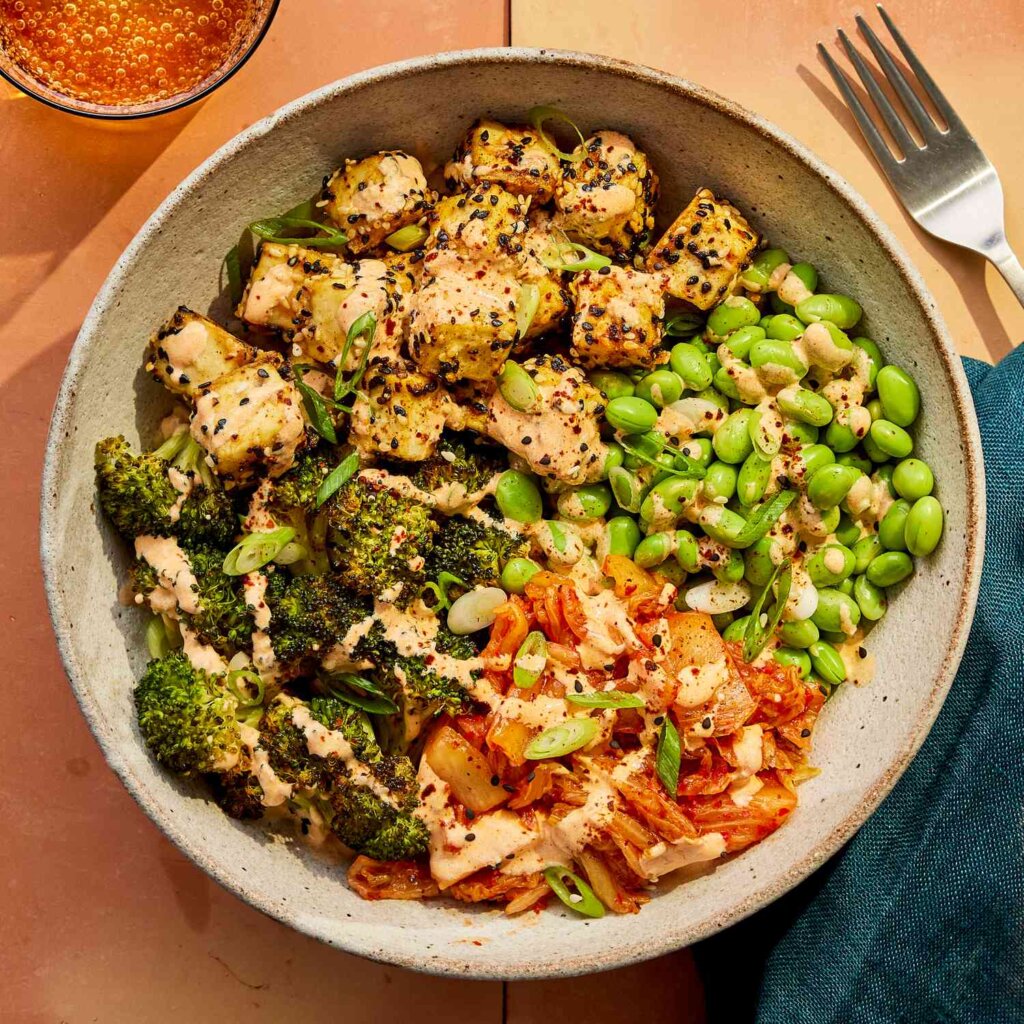
Anti inflammatory Roasted Broccoli and Kimchi Rice Bowl Image Source Robby Lozano  EatingWell
Anti-inflammatory Roasted Broccoli and Kimchi Rice Bowl. Image Source: Robby Lozano / EatingWell

Remember, dietary changes may not eliminate pain completely, but they can be one important piece of the puzzle. Along with other healthy lifestyle strategies, nutrition may help reduce pain severity and influence how we perceive and experience it. To learn more about the anti-inflammatory diet and how to incorporate it into your lifestyle, visit your Mackenthun’s Fine Foods registered dietitian for more information. 

author avatar
Andrew Akhaphong, MS, RD, LD