

15Written by Dr. Andrew Akhaphong, DCN, MS, RD, LD, Mackenthun’s Fine Foods Registered Dietitian

Updated April 15, 2026

According to MN Soybean, Minnesota ranks as the third-largest soybean producer in the United States. Soybeans are the most widely grown and consumed bean worldwide, valued not only as a whole food but also for their versatile byproducts such as oil, protein powder, and meal. Soy has also been extensively studied for its health benefits and is featured in well-known eating patterns such as the Mediterranean Diet, the DASH diet, and various diabetic nutrition guidelines.


Yet according to the Soy Nutrition Institute, average daily soy intake in the United States is less than 2 grams per person. While approximately 74% of Americans view soy as a healthy choice, only about 25% report consuming soy foods or beverages on a weekly basis.

So what explains the gap between perception and practice?

The Perceived Changes in Hormones and Health Risks

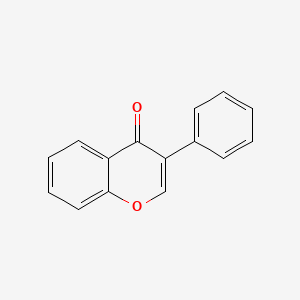
Soy contains plant compounds called isoflavones—isoflavones are not nutrients, but have been shown to benefit both animal and human health. The structure of isoflavones contains at least 3 six-sided rings (hexagons). 

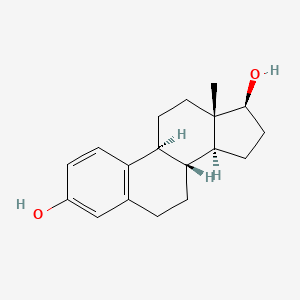
When this structure is compared to the hormone estradiol (a form of estrogen), the two appear remarkably similar.
In the late 1990s and early 2000s, some interpretations of mouse studies suggested that female mice with high consumption of isoflavones could promote cancer growth or increase cancer risk. The same studies also reported that high isoflavone intake in male mice was associated with reduced testosterone levels. These findings were subsequently extrapolated to humans, contributing to a strong wave of anti-soy messaging.
 
When we look at soy isoflavones in human studies, many findings show that Asian populations—where soy is a common part of the diet—tend to have lower rates of cancer and lower cancer recurrence. Research suggests that because soy isoflavones have a structure similar to estradiol, they can bind to receptors (or “doorways”) in our tissues and block estradiol from attaching—an important point since higher estradiol levels are associated with an increased risk of breast cancer. In men, more than 50 studies have shown that soy isoflavones do not negatively affect testosterone levels and may provide similar health benefits.
Structure of Isoflavones. Source: PubChem
Structure of estrogen. Source: PubChem

Anti- or Pro-Inflammatory

Breast cancer can sometimes present with inflammatory-like symptoms, including redness and swelling. Because of longstanding misconceptions about soy isoflavones, it was once believed that consuming soy products might worsen these inflammatory responses. In fact—soy isoflavones have been shown to act as potent anti-inflammatory compounds, reducing the risk of or severity of conditions such as heart disease, arthritis, inflammatory bowel disorders, and polycystic ovary syndrome.
 
A 2022 review of 1,599 postmenopausal women found that those who consumed more than 25 grams of soy protein per day—such as ¾ cup of tofu, 1¼ cups of edamame, 3 ounces of tempeh, or about three glasses of soy milk—over a 96-week period had lower inflammatory markers and cholesterol levels compared with those who consumed little to no soy.