

Written by Andrew Akhaphong, DCN, MS, RD, LD, Mackenthun’s Fine Foods Registered Dietitian
Updated July 22, 2026
If you spend any time on social media, you’ve probably come across the latest wellness trend: “fibermaxxing”.
So, what is fibermaxxing? Simply put, it’s making a conscious effort to eat more fiber-rich foods, like beans, vegetables, fruits, and whole grains. The trend took off as influencers shared the benefits they experienced after increasing their fiber intake, from having more energy and improved digestion to feeling fuller longer and supporting healthy weight management.
So, what is fibermaxxing? Simply put, it’s making a conscious effort to eat more fiber-rich foods, like beans, vegetables, fruits, and whole grains. The trend took off as influencers shared the benefits they experienced after increasing their fiber intake, from having more energy and improved digestion to feeling fuller longer and supporting healthy weight management.
While fibermaxxing may be trending on social media, the idea behind it is nothing new. Healthcare providers and public health organizations have encouraged people to eat more fiber for decades because of its many health benefits.
Women should aim for about 20–25 grams of fiber each day, while men should target 30–38 grams; however, most Americans fall well short of those recommendations. According to a 2021 study published by the American Society for Nutrition, the average American consumes only about 10 grams of fiber per day.
Let's Talk Fiber
Fiber is a type of non-caloric carbohydrate found naturally in plant foods, including fruits, vegetables, nuts, beans, seeds, whole grains, and mushrooms. Small amounts of a fiber-like substance called chitin are also found in shellfish, such as shrimp and soft-shell crab. There are more than 20 different types of dietary fiber, but they’re generally grouped into two main categories: soluble fiber and insoluble fiber.
Soluble fiber dissolves in water and forms a gel in your digestive tract; it softens stool, making it easier to pass by absorbing excess water. Studies show dietary patterns high in soluble fiber improve bad (LDL) cholesterol levels, support fullness to sustain weight loss, and act as a prebiotic to feed your gut bacteria.
Insoluble fiber does not dissolve in water and passes through your digestive tract mostly intact. It promotes bowel regularity, relieves constipation, and lowers the risk of gut disorders or diseases.
Detecting Good Sources of Fiber
Eating a variety of plant foods is the best way to boost your fiber intake while also getting the vitamins, minerals, and other nutrients they provide. If meeting your daily fiber goal through whole foods feels challenging, packaged foods with added fiber can help fill the gap.
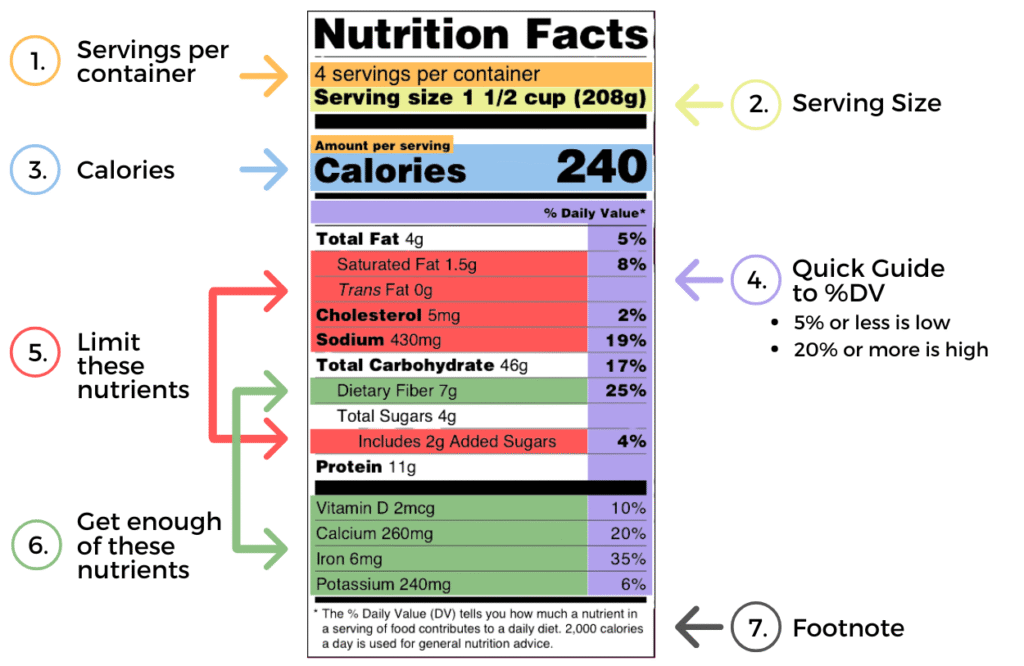
Use the Nutrition Facts label below to see how much fiber a food contains. In this example, a 1½-cup serving provides 7 grams of dietary fiber, or 25% of the Daily Value (DV). Since it provides 20% DV or more per serving, it’s considered an excellent source of fiber.
Is Fibermaxxing for Everybody?
Yes and no.
People living with irritable bowel syndrome (IBS) or those diagnosed with small intestinal bacterial overgrowth (SIBO) may need to be more selective about the types of fiber they eat. Some fibers are highly fermentable and can trigger digestive symptoms in sensitive individuals. These are commonly referred to as FODMAPs, which stands for fermentable oligosaccharides, disaccharides, monosaccharides, and polyols.
For people with IBS or SIBO, FODMAPs can draw extra water into the intestines, potentially contributing to diarrhea. They can also be rapidly fermented by gut bacteria, producing excess gas that may lead to bloating, abdominal pain, and discomfort. Therefore, working with a registered dietitian at Mackenthun’s Fine Foods can be an important step in managing digestive symptoms while still meeting your body’s fiber needs. Approaching this without guidance often puts sensitive individuals at risk for unintentional weight loss and undernutrition.
A 2023 review published in the journal Advances in Nutrition found that increasing fiber intake by 10 grams per day may help lower LDL (“bad”) cholesterol levels, with potential benefits that may continue over time. Fiber helps support healthy cholesterol levels by binding to dietary cholesterol and bile in the digestive tract. Since the liver uses cholesterol to make bile, this process encourages the liver to draw more cholesterol from the bloodstream to produce additional bile.
An additional 2021 review published in the Journal of Functional Foods highlighted fiber’s role as a prebiotic, meaning it serves as fuel for beneficial gut bacteria. When these bacteria break down certain types of fiber, they produce compounds called short-chain fatty acids. These compounds may support blood sugar regulation by promoting the release of hormones like GLP-1, which works alongside insulin to help manage glucose levels. This may be especially beneficial for people living with diabetes by supporting improvements in markers such as hemoglobin A1c (HbA1c).
Looking for an easy way to boost your fiber intake? Your Mackenthun’s Fine Foods registered dietitian recommends creating a “seed jar”. Simply grab a sealed container, such as a mason jar, and combine equal parts chia seeds, flax seeds, basil seeds, and hemp hearts. Give it a good shake, and you’ll have a fiber-rich blend ready to enjoy!
Just 1 tablespoon of this seed mixture can provide approximately 10-15 grams of fiber. Try stirring it into yogurt, hot or cold cereal, cooked rice, or blending it into your favorite smoothie for a simple fiber boost.

Tagged blood sugars, cholesterol, diabetes, dietitian, fiber, fibermaxxing, health, heart, nutrition, weight, weight loss, weight management, wellness