

Written by Andrew Akhaphong, DCN, MS, RD, LD

Updated May 27, 2026

The Mediterranean diet is a simple, flavorful way of eating inspired by the traditional foods of countries bordering the Mediterranean Sea. Centered around fruits, vegetables, whole grains, beans, nuts, seeds, olive oil, and lean proteins like fish and poultry, it emphasizes fresh, minimally processed ingredients and balanced meals shared with others. More than just a diet, it’s a lifestyle approach that encourages mindful eating, regular physical activity, and enjoying food in a relaxed, social setting—benefits that have been linked to improved heart health, better brain function, and overall well-being. To keep this article concise, we’ll focus on just three areas—

Sea the Benefits

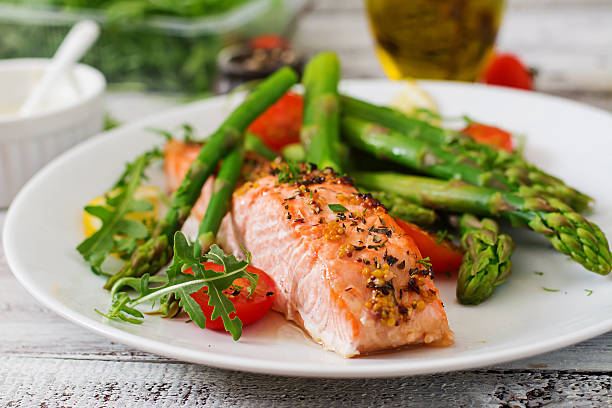
Organizations such as the Centers for Disease Control and Prevention and the National Institutes of Health recommend eating at least two 3-ounce servings of fatty, oily seafood each week. These fish are rich in omega-3 fatty acids—specifically DHA and EPA—which are essential nutrients the body cannot produce on its own. This makes them different from plant-based omega-3 sources found in foods like avocados, walnuts, chia seeds, and flaxseeds, which provide a separate form of omega-3s.
 
Countries surrounding the Mediterranean Sea have regular access to fatty, oily seafood, which is naturally rich in omega-3 fatty acids. Research shows that dietary patterns high in DHA and EPA are linked to a significantly reduced risk of chronic conditions such as heart disease, diabetes, and dementia.
 
In Minnesota, getting enough fatty, oily seafood can be challenging due to factors like cost, odor, taste, texture, and cooking confidence. There are simple and accessible ways to meet DHA and EPA needs. For example, you might include two 4-ounce cans of tuna per week, one can of salmon, or a combination such as a walleye fillet paired with crab legs during the week.
 
If it’s difficult to get enough DHA and EPA from food sources, a fish oil or krill oil supplement can help fill the gap. A daily intake of around 1,000 milligrams is generally recommended, and research suggests that higher doses—such as 2,400 milligrams per day or more—do not provide additional or faster benefits.
 
View this list to review options for high quality fatty oily seafood that contains 1,000-milligrams or more of DHA and EPA—click here.
 
A meal featuring baked salmon. Image source: Elena_Danileiko | Getty Images/iStockphoto

Crack Into Wellness and Seed the Difference

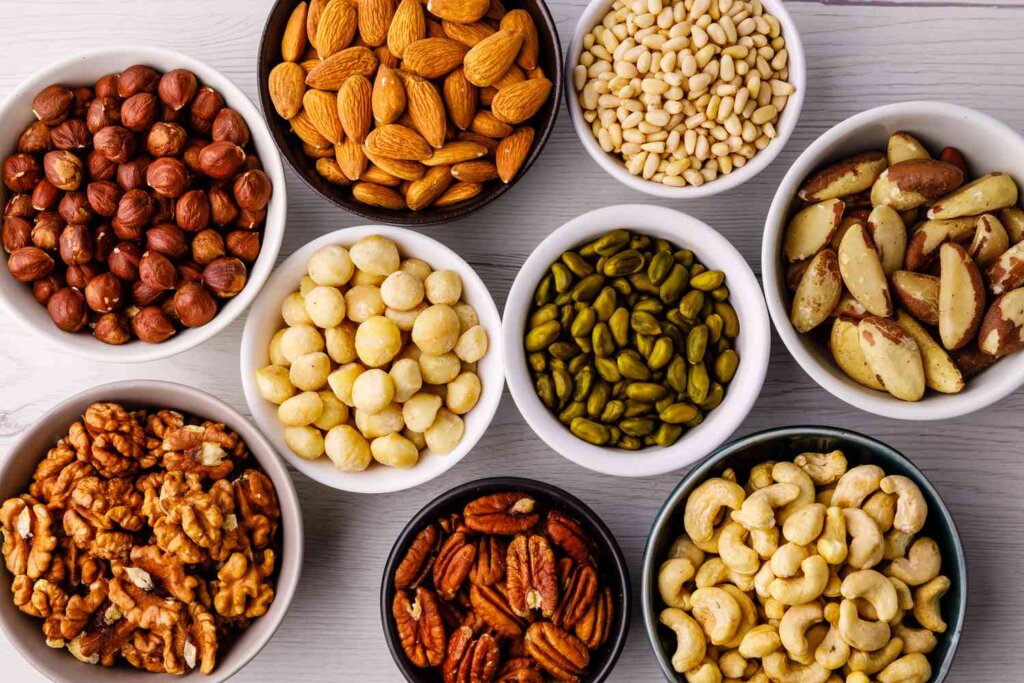
Peanuts, tree nuts, and seeds are often avoided because of their high fat content; however, they are rich in healthy fats, specifically monounsaturated and polyunsaturated fats. The Mediterranean diet recommends 3 or more servings of these foods per week—about 1/3 cup per serving. 
 
Monounsaturated and polyunsaturated fats have many benefits. Dietary patterns high in monounsaturated and polyunsaturated fats support heart health by reducing bad “LDL” cholesterol levels and increase good “HDL” cholesterol levels. 
 
For type-2 diabetes and weight management, monounsaturated and polyunsaturated fatty acids support insulin sensitivity by reducing inflammation, improving cell membrane fluidity, and lowering the risk of fat buildup in the liver and muscles. As these processes improve, tissues respond more effectively to insulin, helping regulate blood sugar and support healthy weight management.
A medley of tree nuts. Image source: Verywell / Zorica Lakonic

Pour Decisions? Not Anymore

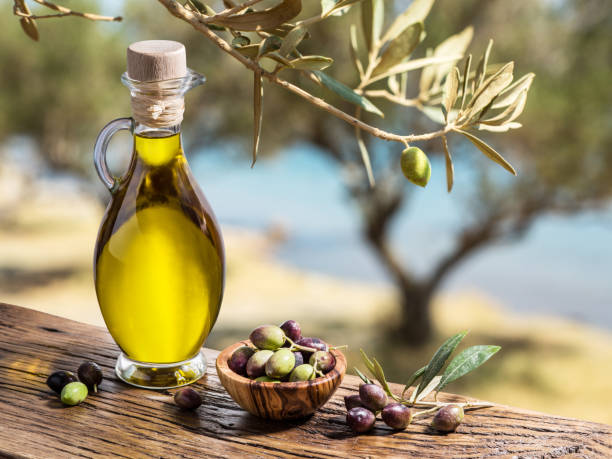
The Mediterranean diet highlights olive oil in meals and cooking because of its rich content of monounsaturated and polyunsaturated fats, along with plant-based omega-3s. But what else makes olive oil so highly valued?

Extra-virgin olive oil contains an antioxidant called oleocanthal, which forms during the cold-pressing process used to make it. This compound is unique to extra-virgin varieties. Research suggests that oleocanthal may have effects similar to ibuprofen, as both inhibit COX proteins involved in pain and inflammation.

 
Additionally, extra-virgin olive oil contains hydroxytyrosol, produced from cold-pressing. Studies suggest it is a highly potent antioxidant that reduces type-2 diabetes risk and protects bad “LDL” cholesterol from oxidizing, leading to inflammation.  
A bottle of olive oil with fresh olives. Image source: ValentynVolkov | Getty Images/iStockphoto
While the Mediterranean diet shows strong potential for supporting overall health, it may not suit everyone. Its high fiber content can worsen pain and discomfort for people with conditions like ulcerative colitis or Crohn’s disease. Additionally, the emphasis on acidic and higher-fat foods—even healthier fats—may aggravate acid reflux. Lastly, for individuals taking warfarin (Coumadin), the recommendation to eat large amounts of leafy greens can interfere with medication management and requires caution.
 
Before beginning a dietary pattern, always consult your primary care provider or a registered dietitian to determine how to best safely integrate the Mediterranean diet.