

Written by Dr. Andrew Akhaphong, DCN, MS, RD, LD, Mackenthun’s Fine Foods Registered Dietitian
Updated: April 1, 2026
Parkinson’s disease is a chronic, progressive neurological condition that affects the central nervous system. It occurs when dopamine-producing neurons in the brain begin to deteriorate, leading to changes in movement, coordination, and other neurological functions.
Glutamate's Dual Actions
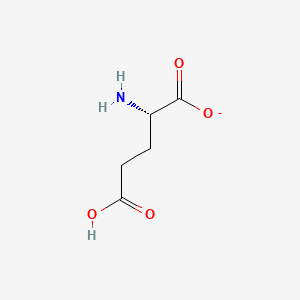
Amino acids are the basic building blocks of protein. Of the 20 amino acids, the liver can produce 11, while the remaining 9 must be obtained through the diet. The most important amino acid that affects health outcomes of Parkinson’s Disease is glutamate. Glutamate is a neurotransmitter that helps brain cells communicate with each other. It plays a role in memory, thinking, nerve cell health, and how the body processes pain signals. From a nutrition standpoint, glutamate can help the liver and kidneys make glucose to fuel the brain when you’re not getting enough carbohydrates from food. However, when the body shifts to this process, production of the hormone GABA may decrease, which can impact sleep quality, blood pressure regulation, and stress management. However, when glutamate is involved in Parkinson’s Disease, it can worsen its symptoms.
Glutamate—It is in More Food Than You Think