
Written by Avery Erickson, Dietetic Intern, Viterbo University
Updated May 5, 2026
Vitamin D is a powerhouse nutrient that supports strong muscles, steady balance, and brain function. Adults over 65 are more likely to have lower vitamin D levels because the body becomes less efficient at producing and utilizing it. The kidney metabolizes vitamin D, but its function declines with age leading to less vitamin D in the body. Aging skin produces 40% less vitamin D from the sun than younger skin. That means relying on sunshine alone isn’t enough to meet your needs. During National Older Adult Month, I want to explore the impacts and importance of sufficient vitamin D intake as we age.
Stay Strong and Steady: Fall Prevention
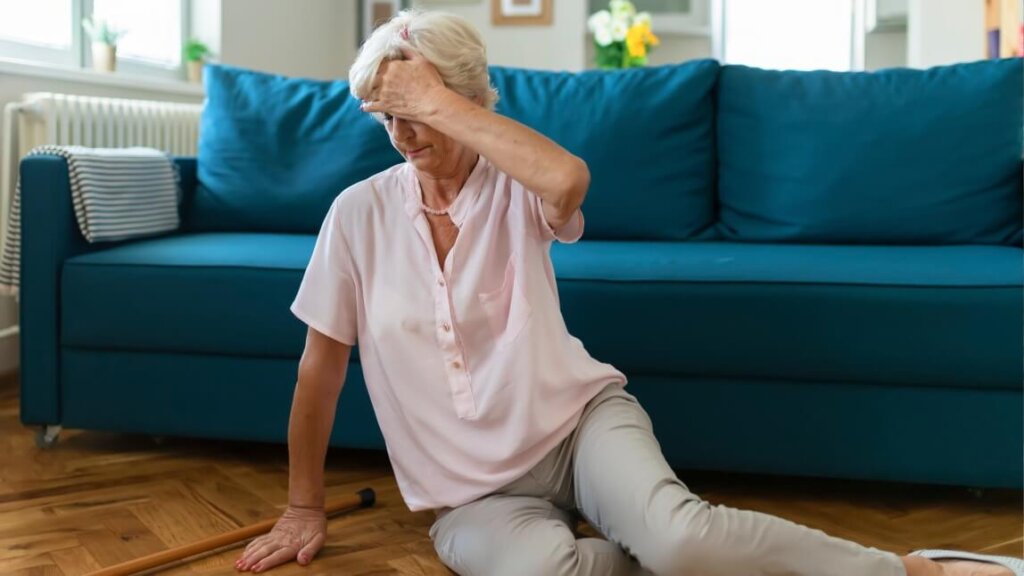
Falls are one of the most significant health risks for older adults, and insufficient vitamin D status can cause health problems resulting from these falls. Research shows that compliance with supplementation of vitamin D and calcium may decrease the incidence of hip fractures by 16%. This is a huge difference when recovery times can be long and challenging.
Stay Mobile: Strength
Vitamin D supports our muscles, which keep us upright, helps us maintain balance, and strengthens our neuromuscular system that coordinates movement. Meeting vitamin D needs supports our joints, improves posture, and reduces the risk of falls. Even just body weight workouts can help our muscles!
Stay Sharp: Mind
Add these foods to your shopping cart to support healthy aging:
- Eggs
- Fatty fish (salmon, mackerel, sardines)
- Milk
- Red meat
- Mushrooms
- Pork chops
- Fortified breakfast cereal
- Fortified orange juice
These products are highest in vitamin D and can be a good addition to a healthy diet. If you can’t meet your needs through food, talk with your primary care provider about whether a vitamin D supplement is appropriate.
Daily low-dose vitamin D has been shown to reduce the fall risk in older adults. Because vitamin D is fat soluble, remember to take it with a meal containing fat to better absorb it. Vitamin D supports your brain, bones, muscles, and reduces fracture risk. These are all essential for maintaining activity and independence in old age. Check out your local Mackenthun’s to purchase some foods full of vitamin D for healthy aging!
References:
Giustina A, Bouillon R, Dawson-Hughes B, et al. Vitamin D in the older population: a consensus
statement. Endocrine. 2023;79(1):31-44. doi:10.1007/s12020-022-03208-3
Anjum I, Jaffery SS, Fayyaz M, Samoo Z, Anjum S. The Role of Vitamin D in Brain Health: A Mini
Literature Review. Cureus. 2018;10(7):e2960. Published 2018 Jul 10. doi:10.7759/cureus.2960
“Vitamin D Recommendations | International Osteoporosis Foundation.”
Www.osteoporosis.foundation, www.osteoporosis.foundation/vitamin-d-recommendations.
Juste-Olivier, Rue. “Vitamin D Recommendations | International Osteoporosis Foundation.”
Www.osteoporosis.foundation, International Osteoporosis Foundation,
www.osteoporosis.foundation/vitamin-d-recommendations. Accessed 30 Apr. 2026.
Remelli F, Vitali A, Zurlo A, Volpato S. Vitamin D Deficiency and Sarcopenia in Older
Persons. Nutrients. 2019;11(12):2861. Published 2019 Nov 21. doi:10.3390/nu11122861
Qi P, Fu X, Zhao D, Li C, Lu Y and Li N (2024) Effects of vitamin D supplementation on muscle
strength in middle-aged and elderly individuals: a retrospective, propensity score-matched
study. Front. Nutr. 11:1450265. doi: 10.3389/fnut.2024.1450265
